

Categories
Coffee with Turner, Money Matters, Real EstatePublished March 5, 2026
Making Money Fun: Teaching Kids How Money Grows

Making Money Fun: Teaching Kids How Money Grows (Coffee with Turner)
Would you rather have $20 today… or one penny that doubles every day for 30 days?
Most people instinctively grab the $20.
But what if that penny quietly grew into more than $5 million by Day 30?
That simple but powerful lesson is the idea behind the Doubling Penny Exercise, a financial literacy activity developed by the Vermont State Treasurer’s Office to help children understand saving and compound growth.
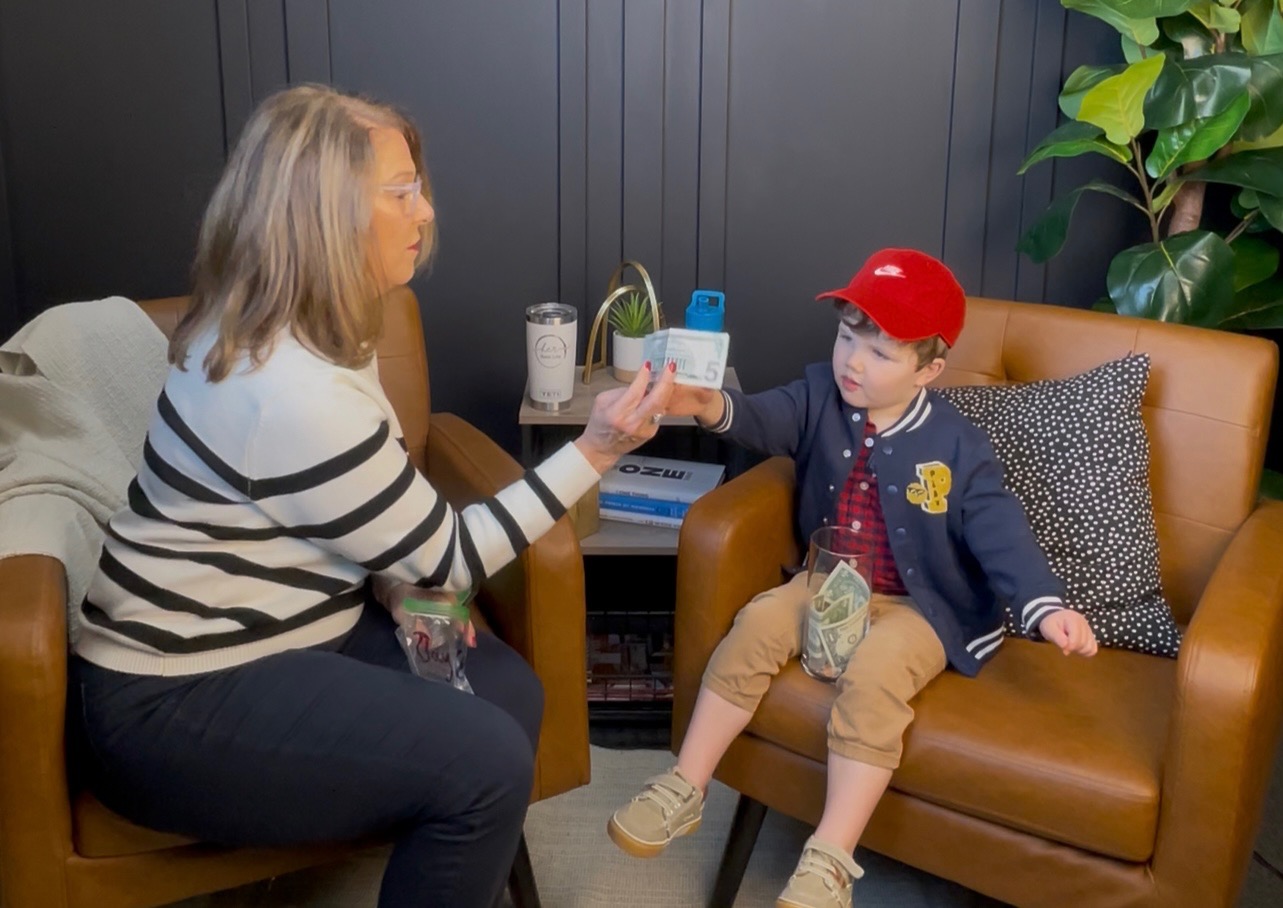
Recently, I decided to turn that idea into something a little more fun with my three-year-old grandson.
Welcome to another episode of Coffee with Turner.
Making Money Fun for Kids
When it comes to teaching children about money, most of us feel a little unprepared. Many adults weren’t taught financial literacy growing up, so it can feel intimidating to start those conversations. For many families, talking about money was almost taboo. Some of us even heard phrases like “Money is the root of all evil.” In reality, that’s actually a misquote from the Bible. The original verse, found in 1 Timothy 6:10, says “The love of money is the root of all evil.” Many modern translations clarify it further as “a root of all kinds of evil.” The important distinction is that money itself isn’t the problem. It’s the unhealthy pursuit of it that can lead to destructive behavior like greed or dishonesty.
When we shift that perspective, money becomes what it really is — simply a tool. And teaching our children how to use that tool wisely can set them on a much healthier financial path.
And one of the best ways to begin is by making money fun. The Doubling Penny Exercise
The Penny That Grew
For this episode of Coffee with Turner, I created 14 small bags of money, each representing what happens when a penny doubles every day.
Here’s what the growth looked like:
Day 1 — $0.01
Day 2 — $0.02
Day 3 — $0.04
Day 4 — $0.08
Day 5 — $0.16
Day 6 — $0.32
Day 7 — $0.64
Still pretty tiny.
But then things start getting interesting.
Day 8 — $1.28
Day 9 — $2.56
Day 10 — $5.12
Day 11 — $10.24
Day 12 — $20.48
Day 13 — $40.96
Day 14 — $81.92
All of that growth… from one penny.
Turner’s $45 House
Here’s where the story gets fun.
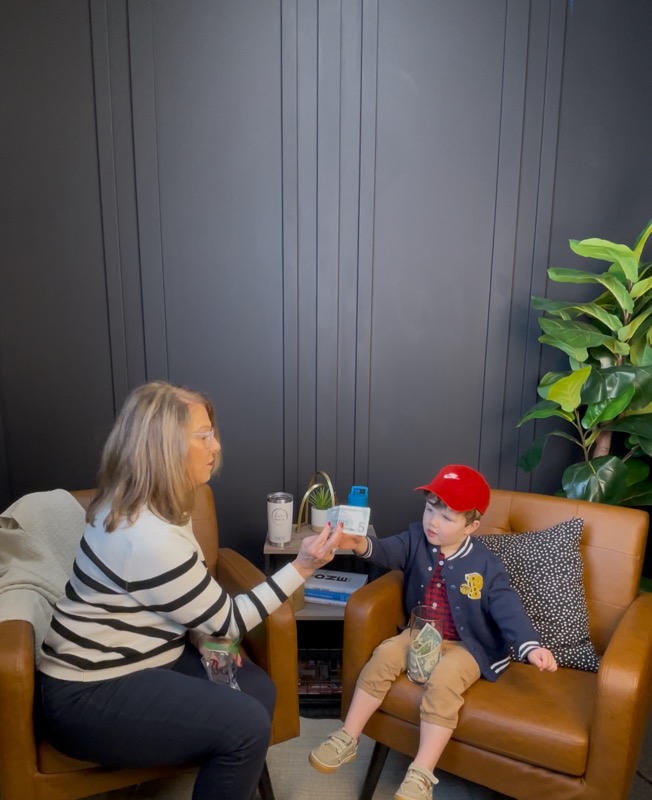
In our first episode of Coffee with Turner, Turner estimated the cost of a house to be about $45. (Don't we wish!)
So as we opened each bag together, we watched the money get closer and closer to his dream home price.
On Day 13, we deposited $40.96 on that day alone — just shy of the goal.
Then we opened the final bag.
$81.92. Turner now had a total of $163.83 in his bank.
Not only could he buy his $45 house…
He had money left over.
For a three-year-old, that was a pretty exciting discovery.
You can watch the whole moment in the latest episode of Coffee with Turner here: Click HERE | The Penny That Turns Into $5 Million
The Simple Lesson Behind It
The doubling penny exercise helps demonstrate the concept of compound interest — the idea that money earns money, and over time that growth begins to accelerate.
At first, the progress feels slow.
Almost insignificant.
But patience and consistency change everything.
And that’s a lesson that applies to adults just as much as it does to kids.
Why Early Money Conversations Matter
Even if you didn’t grow up learning about saving, investing, or financial planning, it’s never too late to begin teaching those principles to your children.
In fact, introducing healthy money habits early can dramatically improve a child’s long-term financial trajectory.
Children who learn that money can grow tend to develop:
• Stronger saving habits
• More thoughtful spending decisions
• Greater financial confidence as adults
And those lessons don’t have to come from a textbook.
Sometimes they start with a penny, a few small bags of money, and a curious three-year-old at the kitchen table.
Try This With Your Kids or Grandkids
If you’re looking for a simple way to start conversations about money at home, I encourage you to try this little experiment with your own children or grandchildren.
All it takes is a penny, a few small bags or envelopes, and a little curiosity.
Lay out the doubling amounts and watch their reactions as the numbers start to grow. Let them guess what comes next. Celebrate the milestones. Ask questions like, “Should we spend it now, or let it keep growing?”
It’s a simple activity, but it opens the door to some powerful lessons about saving, patience, and how money can work for you over time.
And if you decide to try it, I would love to hear your stories. What did your kids think? Did they want to spend the money or save it?
Sometimes the most meaningful financial lessons don’t happen in classrooms or textbooks… they happen around the kitchen table.
Source Credit:
The educational concept used in this activity is based on “Kids & Money: The Doubling Penny Exercise,” developed by the Vermont State Treasurer’s Office to help families teach children about saving and compound growth.The Doubling Penny Exercise
And sometimes the journey toward building generational wealth and future homeownership begins with something as small—and powerful—as one penny and a simple lesson about letting it grow.
Let's Build Wealth Together! Gayla

Gayla Hiatt
Co-Owner, REALTOR®, CEO - Lead Agent | Gayla Hiatt | Hiatt Home Group | Keller Williams - KC North
or another way